Warm weather and open water make boating one of the most enjoyable ways to spend a day off. Whether you own a fishing boat, a pontoon or a personal watercraft, reviewing your coverage starts before you leave the dock.
In Utah, liability insurance may be required by law for certain motorboats and personal watercraft, so having the right coverage is an important step.
Core Coverages to Look For 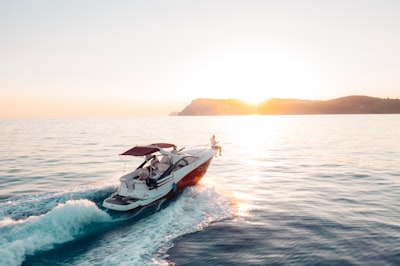
Boat insurance is designed to cover unexpected financial risks that may happen on and off the water. A reliable policy typically includes several key coverages:
- Physical damage coverage—May help pay for repairs or replacement if your vessel is damaged in an accident, by fire or by theft
- Liability coverage—Financially protects you if you cause injury to another person or damage to someone else’s property on the water
- Uninsured watercraft coverage—Steps in when the other boater lacks adequate insurance and is at fault
- Towing and assistance—Covers the cost of on-water towing if your boat breaks down far from shore
Agreed Value vs. Actual Cash Value
Pay attention to how your policy values your boat. An agreed value policy may pay a set amount if your vessel is a total loss, with no depreciation applied. An actual cash value policy factors in depreciation, which may leave a gap between the payout and what you actually need to replace the boat. Discussing both options with our team helps you choose the one that fits your situation.
Seasonal and Storage Considerations
Many boaters use their vessels only part of the year, and some policies offer lay-up periods that may adjust your premium during off-season storage. Our team can help clarify if your coverage will work best if it extends coverage to the trailer, dock equipment and any accessories kept on board.
Contact Us Today
Reviewing your boat coverage does not have to be complicated. Contact Arches Insurance today to review your boat insurance options and find a policy that fits how you use the water.
This blog is intended for informational and educational use only. It is not exhaustive and should not be construed as legal advice. Please contact your insurance professional for further information.